
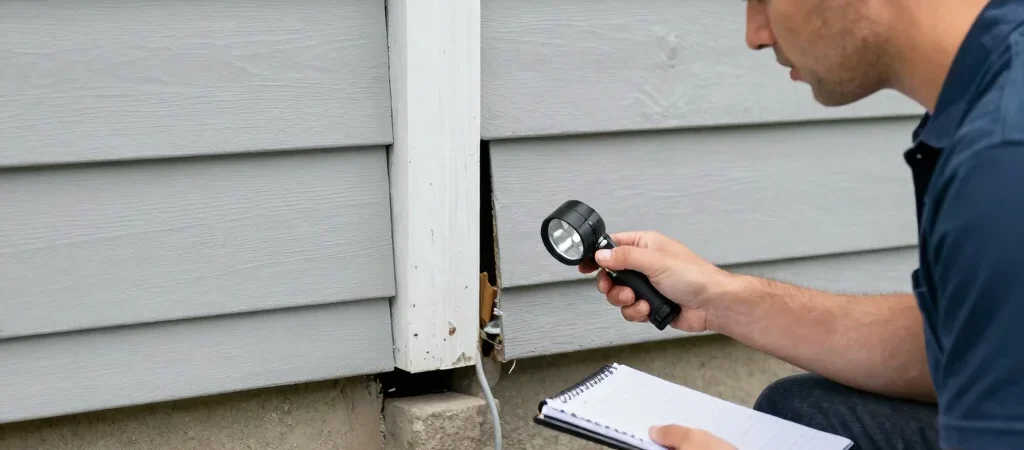
A mouse sighting is easy to remember; the less obvious signs are often more useful when describing the issue. Droppings, gnaw marks, or repeated activity near a pantry or utility area can help a provider understand where to look. None of these clues alone tells the full story.
Look Beyond One Sign
Notice where signs appear and whether they cluster near stored food, plumbing, a garage, or another transition between indoors and out. A caretaker might also note when the activity was noticed and whether the same area shows new signs later. This context can help distinguish a single observation from a recurring pattern.
Treatment and Entry Points
Rodent control may involve inspection, trapping or other treatment methods, and attention to possible entry points. Exclusion refers to addressing those access points; it is a different part of the work from responding to animals already inside. Ask the provider to explain which steps are included and which areas they intend to assess.
Make Follow-Up Clear
Before work begins, ask how activity will be monitored, when a follow-up assessment is recommended, and what signs you should report. If you manage a rental or shared property, clarify who will check storage rooms, garages, and other spaces beyond the main living area. A useful service plan connects the signs you found with both the immediate response and the next inspection.