A service list can sound like a row of interchangeable options until you ask what each one actually addresses. Some services focus on identifying a pest, some on treating a current problem, and others on reducing the ways pests get inside. Start with the issue you have noticed, then match it to the service description.
Start With the Problem
General pest control usually refers to help with common household pests, but the exact pests and included steps can vary by provider. A targeted service names a particular pest, such as ants, mice, or termites, and may involve a closer inspection of the places that pest tends to use. The service name is a starting point, not a complete description of the work.
Inspection and Exclusion
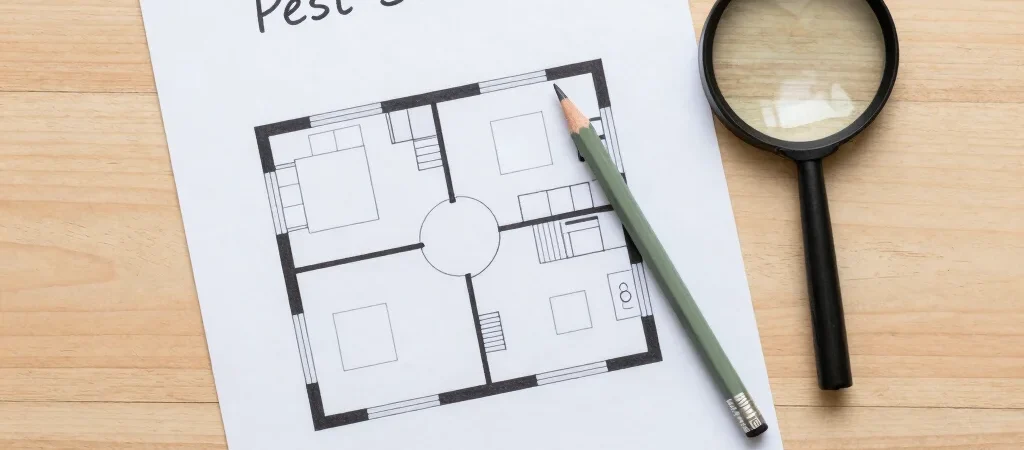
An inspection is about gathering clues: where activity appears, what conditions may be supporting it, and whether more than one pest could explain the signs. Exclusion describes work aimed at limiting access, such as identifying and addressing likely entry points. These services may complement treatment, but they are not the same thing.
Compare the Details
When reading a service description, look for the pest covered, the areas included, and whether follow-up or prevention advice is part of the stated service. Ask what happens if the signs do not fit the service category you first considered. A clear answer should connect the proposed work to the evidence at your home, not just repeat a label.